Liminal Collective Elite Performance Model Founded On Character
95% of teammates call it urgent: hire and promote character-based leaders. Nothing moves performance more. Where character is present, 94% do their best work under uncertainty; without it, 3%. The gap isn’t desire. We can’t excel at what we can’t name, and excellence has a name: virtue. Leaders lack the language, and the tools to live it when it costs.
Trust: efficient.
Compassion: service before self.
Courage: the hard right over the easy wrong.
Justice: conviction over circumstance.
Wisdom: to understand before being understood.
Temperance: calm is contagious.
Hope: better, not bitter.
Each is simpler to understand than to live. Virtue isn’t virtue until we act, when something hard and important is at stake. Character is the variable the Elite Performance Model develops, and the one most organizations underestimate. Underdeveloped, it drags down every other domain. Character isn’t fixed at birth. It’s a skill, built by repetition, discipline, and decisions that test who we are. We all fall short; we can learn to recenter. Under pressure, people fall back on training, not intentions.
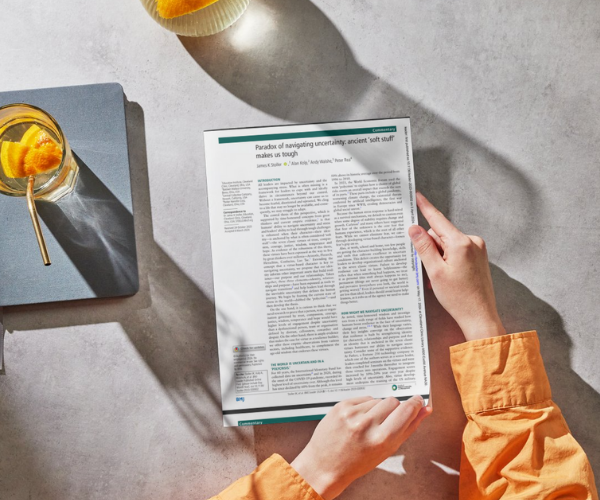
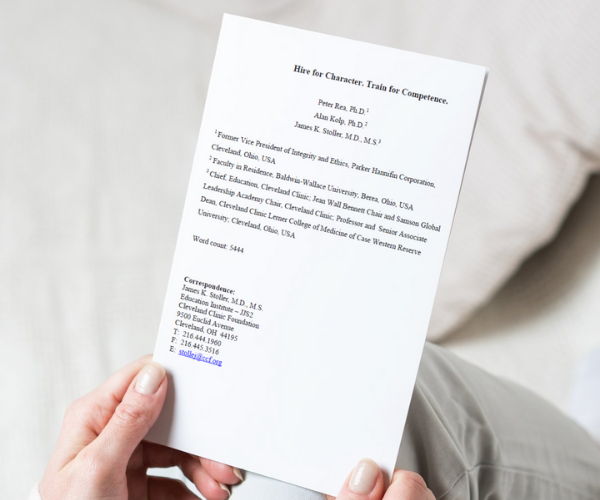
The Liminal Collective portal offers evidence-based articles, research, and podcasts that align with what the ancients knew that science now confirms: to get better at what you do, get better at who you are.
View the Content
Creating a Resilience Tool Kit
We all could benefit from resilience training to bounce back from traumas or even daily pressure and stress.
First principles are foundational building blocks from which all other knowledge, decisions and actions flow.which all other knowledge, decisions and actions flow.
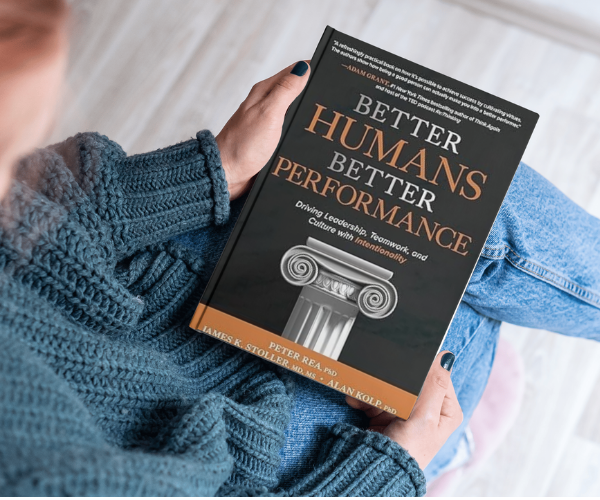
Leadership expert and author Dr. Peter Rea joins Luke Darcy to explore why character, not talent, is the game-changer in leadership, teamwork, and parenting.
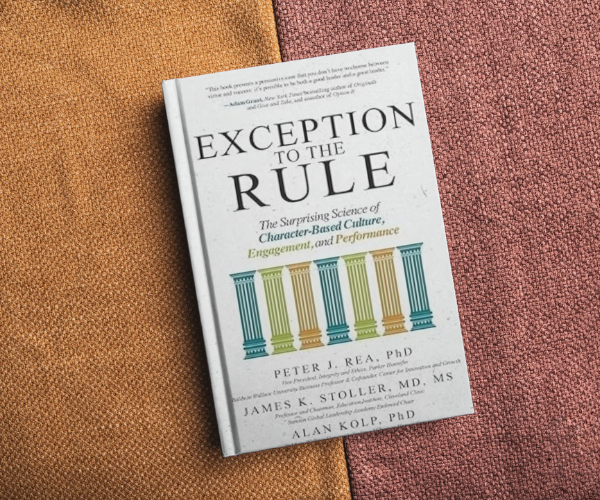
Exception to the Rule helps you create a culture that’s built to last by focusing on seven virtues that cross social, religious, and cultural divides, and have been driving lasting positive results for centuries.
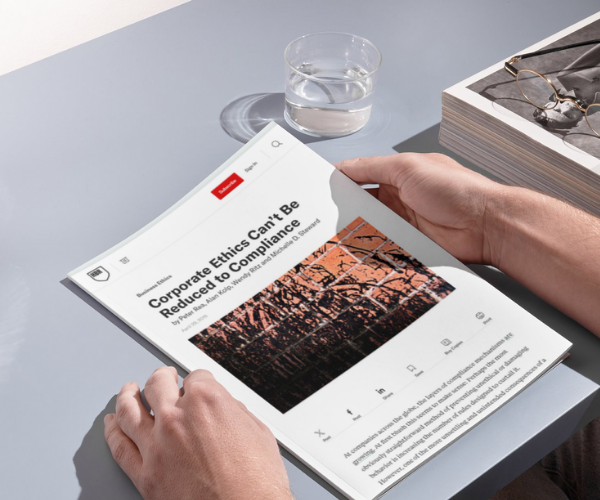
Harvard Business School featured Parker Hannifin’s approach to building high-performance teams, highlighting how ancient virtues drive problem-solving, continuous improvement, and organizational performance.
How do special operations forces, astronauts, athletes, and some physicians learn to perform under stress, pressure, and adversity? Not in a classroom. By doing the actual work, in real conditions, with experienced guidance.
Astronaut crews train in remote wilderness to simulate the isolation and pressure of space. Special operations forces train in actual combat conditions. Athletes are coached in the game. Residents practice at the bedside. The pattern is consistent: performance is developed inside the experience, not apart from it. Traditional business training does the opposite — removing people from their work, then hoping something transfers.
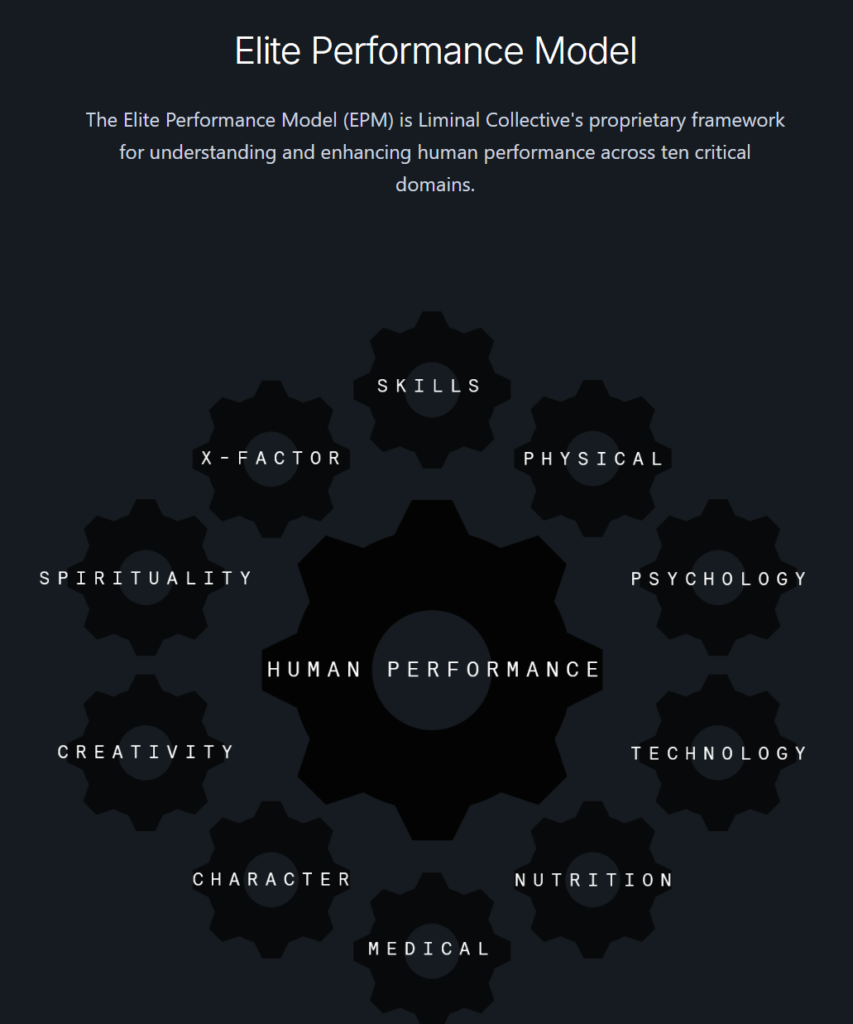
BHBP applies the elite performance model to your organization — helping achieve your KPIs, strengthen your processes, and make your tools the training ground. Leaders and teams review the evidence, guided by an executive coach, then decide what to keep, what to start, and what to stop.
The science of high performance and character are mutually reinforcing. Character — the virtues of trust, courage, and wisdom — creates the relational conditions under which performance science works. Performance science gives character a practical language: measurable, teachable, and tied directly to results. Integrate both into how you already operate — and leaders and teams perform at their best when conditions are hardest. That is how culture changes.