Content Portal
To get better at what you do, get better at who you are.
What the ancients knew. Performance science confirmed.Wickedly Complex Civic Problems Can Only Be Resolved With Cooperation
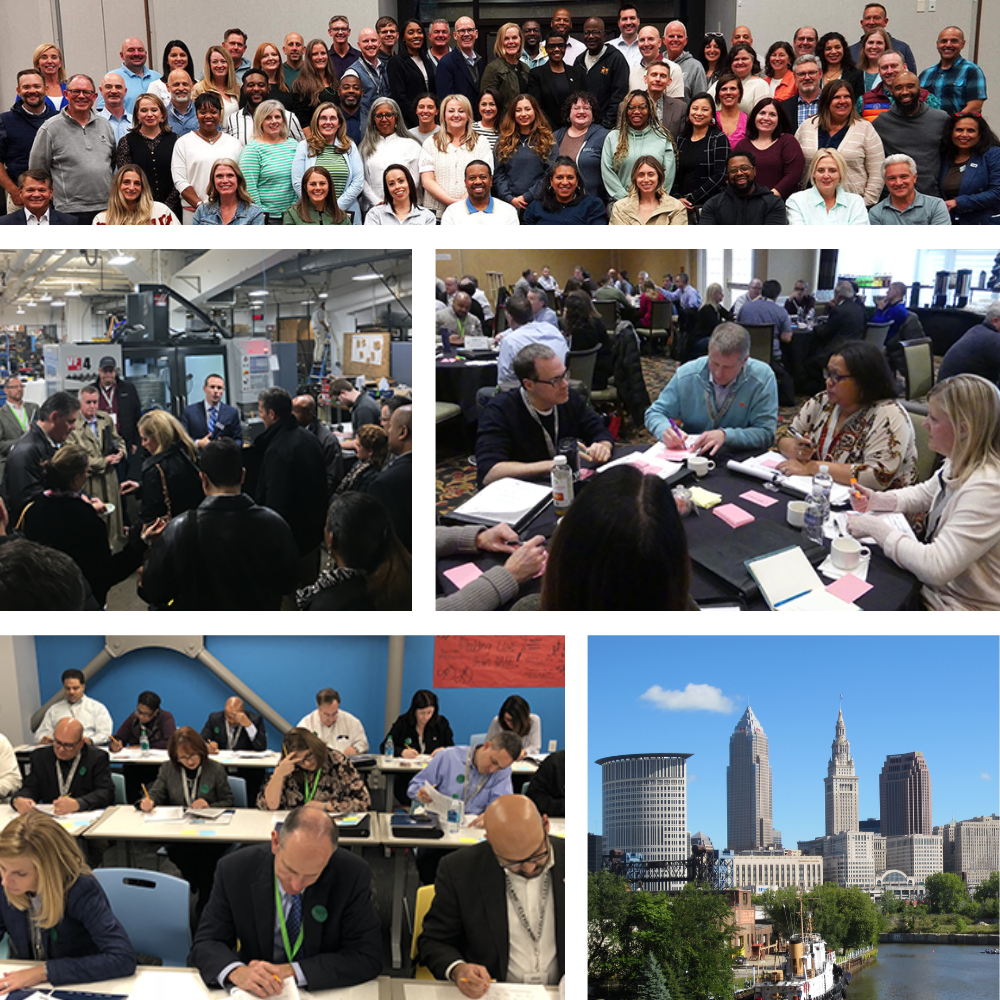
Leadership Cleveland immerses senior civic leaders in problems like job growth, health care access, and education. These are wickedly complex challenges no single sector can solve. Sustained, cross-sector cooperation isn’t an aspiration here. It’s a structural fact. Which raises the question: what kind of leader does that require?
No title navigates a system you don’t own or earns cooperation you can’t mandate. Character does. It is virtue practiced under pressure, the strongest performance variable in any high-stakes environment. Trust is efficient. Compassion is service before self. Courage is the hard right over the easy wrong. Wisdom is seeking to understand before being understood. Temperance is contagious calm. Hope is better, not bitter. And virtue isn’t virtue until we act. People cooperate with those they trust, and trust follows character, not rank. The evidence is stark: 94% of employees under a character-based leader say they’re inspired to their best work amid uncertainty; 3% say the same of leaders without it.
The military, elite sports, and NASA don’t leave performance to talent. They build it through training under pressure, stress, and uncertainty. That discipline isn’t reserved for special populations. Civic leaders need the same preparation for the moments that test who they are. The Leadership Cleveland portal offers evidence-based articles, research, and podcasts that align with what the ancients knew that science now confirms: Get better at who you are to get better at what you do.
View the Content
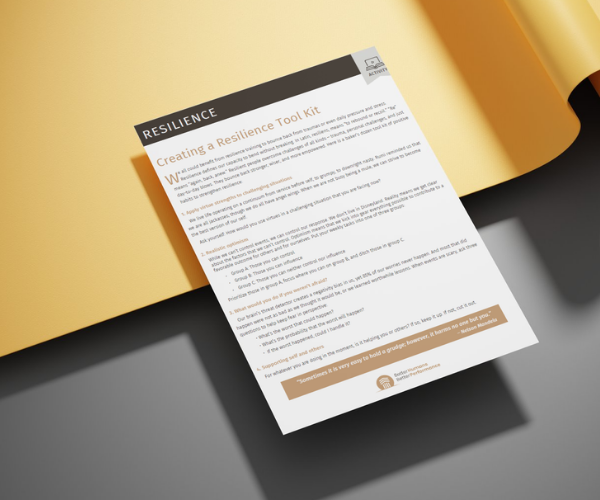
Creating a Resilience Tool Kit
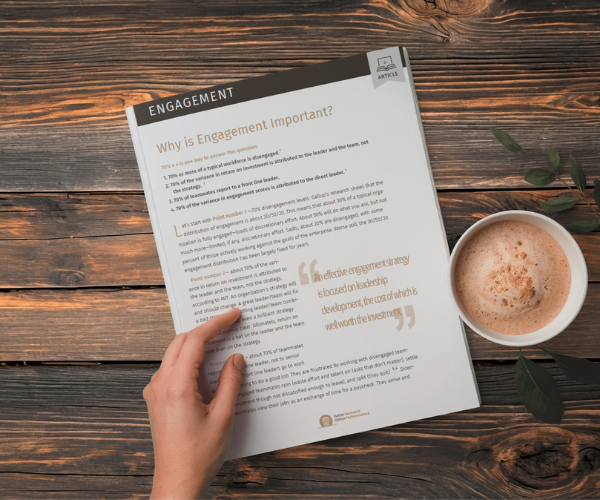
Why is Engagement Important?
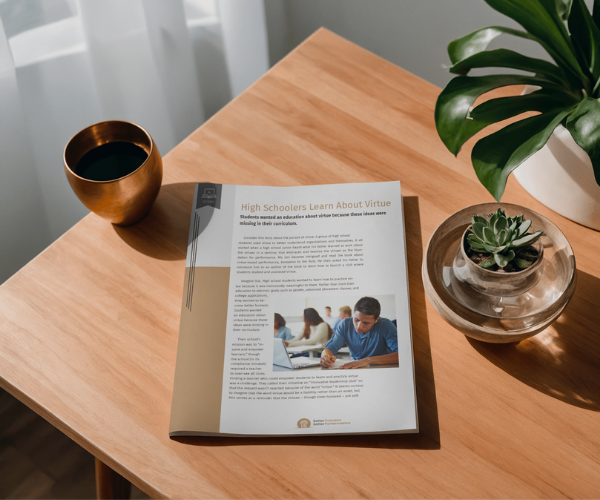
High Schoolers Learn About Virtue
Busyness Versus Compassion
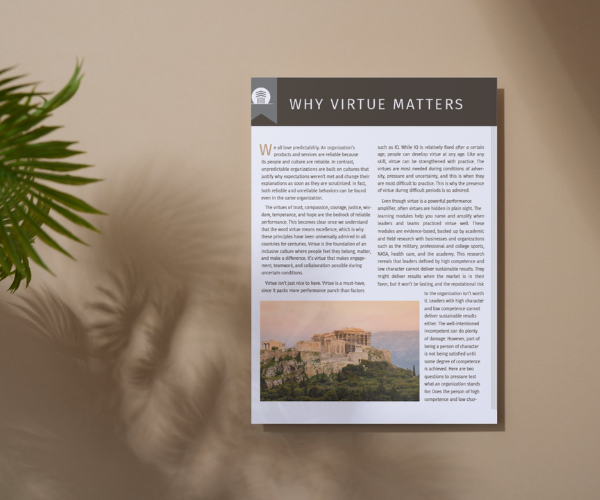
Why Virtues Matter
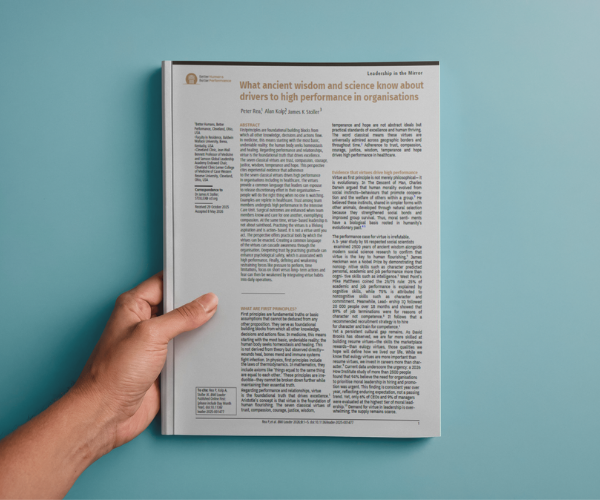
Ancient Wisdom
First principles are foundational building blocks from which all other knowledge, decisions and actions flow.which all other knowledge, decisions and actions flow.
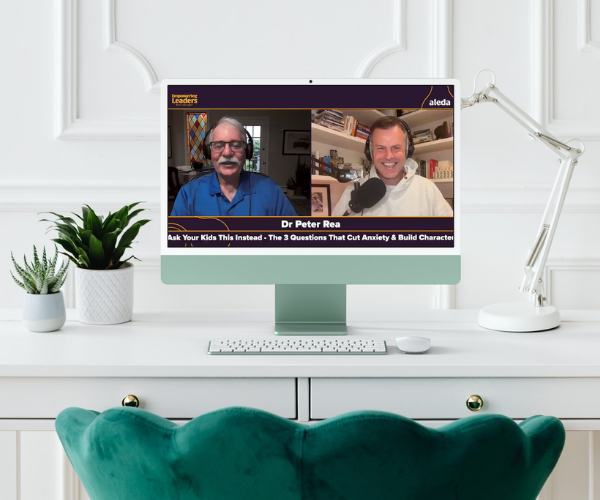
3 Questions That Cut Anxiety & Build Character
Leadership expert and author Dr. Peter Rea joins Luke Darcy to explore why character, not talent, is the game-changer in leadership, teamwork, and parenting.
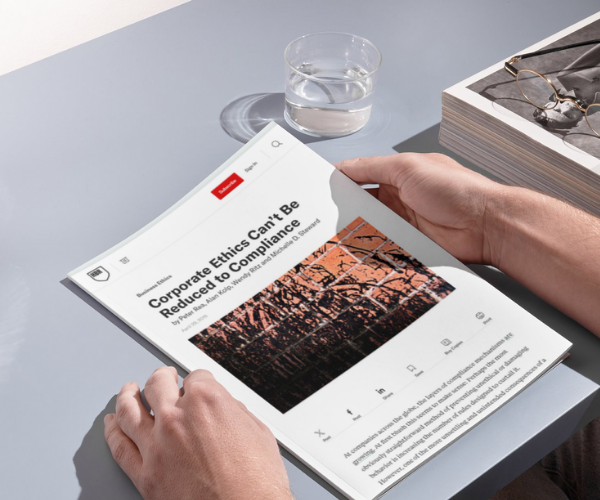
Harvard Business Review
At companies across the globe, the layers of compliance mechanisms are growing. At first blush this makes sense.
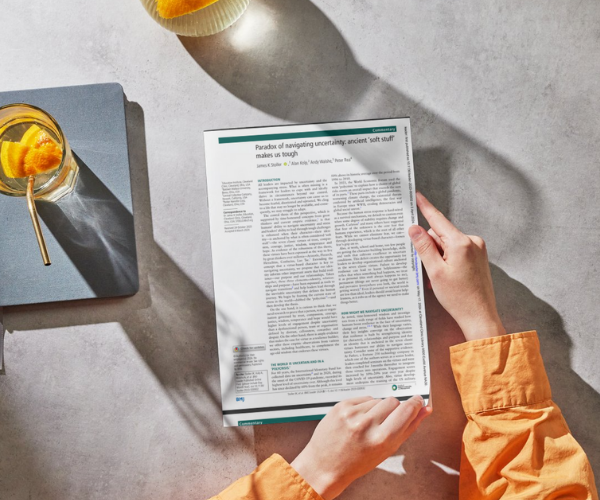
Navigating Uncertainty
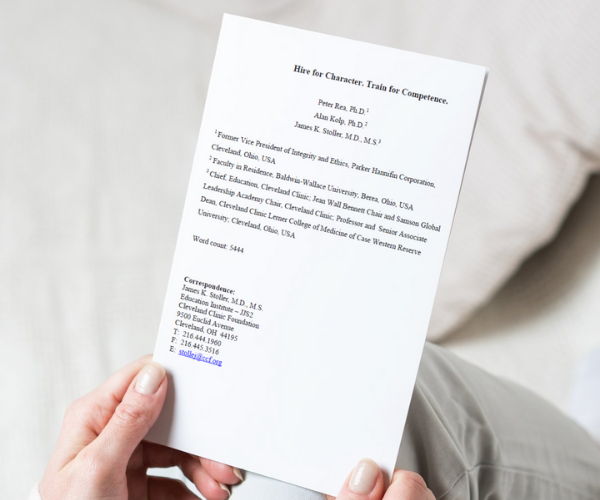
Hire For Character. Train For Competence
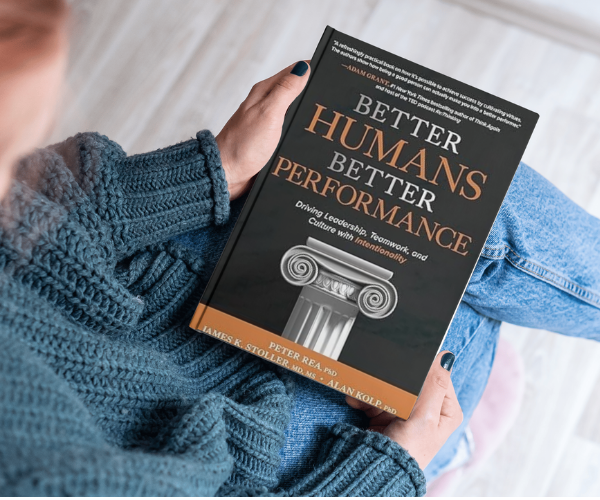
Better Humans Better Performance
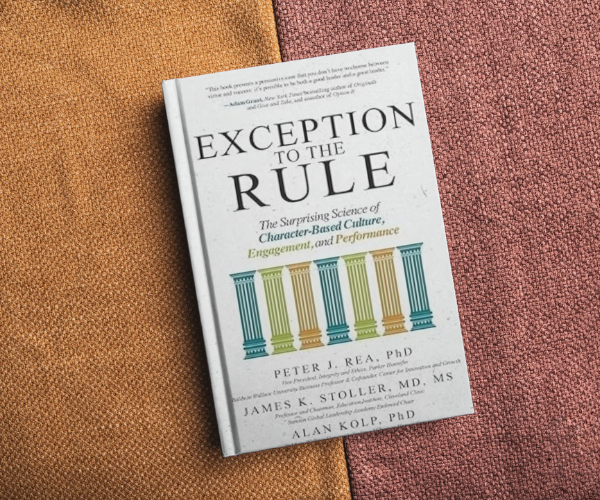
Exception To The Rule
View Case Study in HBR Store
Harvard Business School featured Parker Hannifin’s approach to building high-performance teams, highlighting how ancient virtues drive problem-solving, continuous improvement, and organizational performance.
About
Better Humans Better Performance
How do special operations forces, astronauts, athletes, and some physicians learn to perform under stress, pressure, and adversity? Not in a classroom. By doing the actual work, in real conditions, with experienced guidance.
Astronaut crews train in remote wilderness to simulate the isolation and pressure of space. Special operations forces train in actual combat conditions. Athletes are coached in the game. Residents practice at the bedside. The pattern is consistent: performance is developed inside the experience, not apart from it. Traditional business training does the opposite — removing people from their work, then hoping something transfers.
BHBP applies the elite performance model to your organization — helping achieve your KPIs, strengthen your processes, and make your tools the training ground. Leaders and teams review the evidence, guided by an executive coach, then decide what to keep, what to start, and what to stop.
The science of high performance and character are mutually reinforcing. Character — the virtues of trust, courage, and wisdom — creates the relational conditions under which performance science works. Performance science gives character a practical language: measurable, teachable, and tied directly to results. Integrate both into how you already operate — and leaders and teams perform at their best when conditions are hardest. That is how culture changes.